Concrete Resurfacing in Glendale AZ
Concrete resurfacing gives tired but solid slabs a new surface, with colors and textures chosen to stay comfortable in the desert sun.
If the bones are good, change the skin
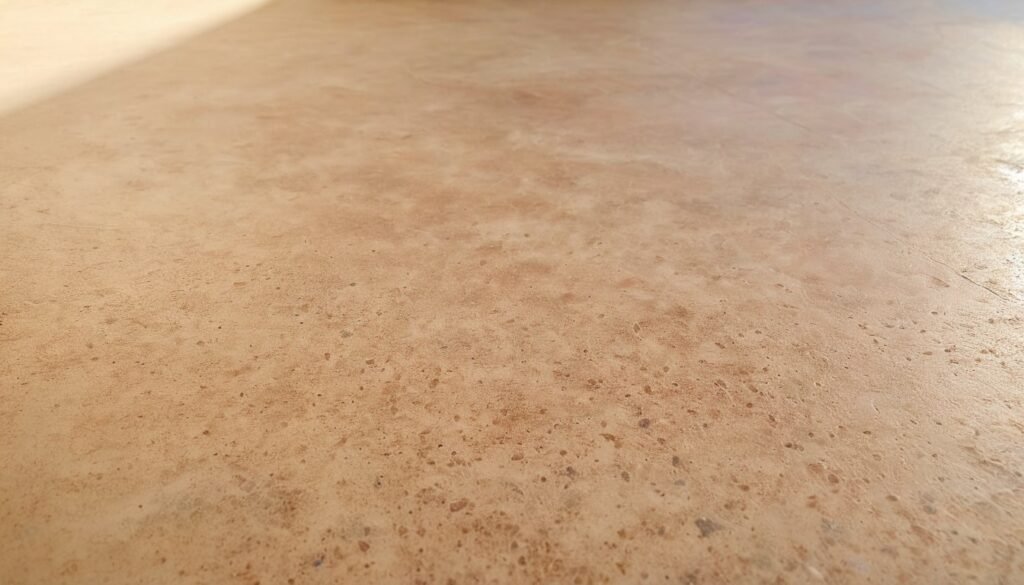
A patio that looks bad is not always a patio that is bad. We see a lot of concrete in Glendale, AZ that is perfectly sound underneath but wears a faded, crazed, stained or pitted top layer. Years of sun, hard water from sprinklers and pool splash will do that.
Concrete resurfacing is the answer for those slabs. We clean the old concrete, repair cracks, bond a thin new layer to the surface and finish it smooth, textured or stamped. You get a surface that looks new on a slab that never had to go to the dump.
Where concrete resurfacing works, and where it does not
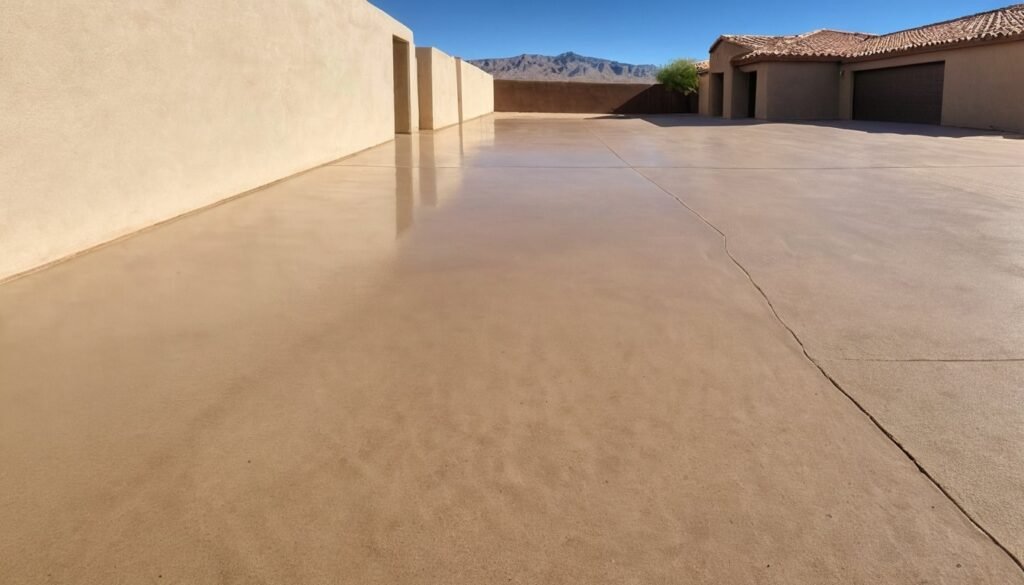
It works on concrete that is structurally sound, with no major heaving, no deep crumbling and no big structural cracks. It works on driveways, patios, walkways and pool decks where the problem is the top inch, not the whole slab.
It does not work on slabs that have shifted, sunk or broken apart, or on concrete over a failing base. A new surface over a moving slab will crack where the old one cracked. That is why we test and tap the slab first, and tell you if resurfacing is not the right move.
The concrete resurfacing process
Inspect and tap
We check for hollow spots, find cracks and decide if the slab is sound enough.
Clean and profile
Dirt, oil and old sealer are removed. The surface is roughened so the new layer can grip.
Repair the damage
Cracks and holes are filled so they do not show through.
Apply the overlay
A thin, polymer modified layer goes on, is spread level and finished with the texture you chose. We work in the cool part of the day.
Seal and cure
A sealer protects the color. We keep the surface protected while it cures.
Concrete resurfacing finish choices
| Finish | Look and feel | Best for |
|---|---|---|
| Smooth trowel | Clean and modern | Covered, shaded areas |
| Light broom | Subtle texture, good grip | Driveways and walks |
| Spray texture | Fine, slightly cooler underfoot | Pool decks and patios in full sun |
| Stamped overlay | Stone or tile look | Patios. See stamped concrete services. |
Concrete resurfacing questions from the west Valley
Is concrete resurfacing a good fit for a sun faded, stained driveway or pool deck?
Often it is the ideal fit. Desert sun is hard on concrete surfaces. It fades color, dries out the top layer and leaves it rough and stained. Hard water from sprinklers leaves white or brown spots. Pool chemicals and splash can etch and stain the deck. If the slab underneath is still solid, concrete resurfacing can make all of that disappear in a day or two.
We start by checking whether the slab is sound. We tap it to find hollow spots, look at the cracks and see whether any areas have sunk or lifted. If the problems are mostly cosmetic, an overlay is a smart choice. It costs less than replacement, makes less mess and keeps your existing edges, plants and walls in place.
A pool deck is a special case, because you want grip, comfort and a safe slope. We can choose a cooler color and a slightly textured finish, and we can regrade the surface a little to improve drainage.
If the slab is badly cracked or sunken, we will tell you honestly that resurfacing is not the right fix, and show you the better one.
How long will a resurfaced patio or driveway last in the Arizona sun?
When the old slab is sound and the job is done well, a resurfaced surface can last for many years, often a decade or more. The overlay is bonded to the old concrete, so it behaves like part of the slab.
How long it lasts depends on three things. The first is the condition of the slab beneath. If the old concrete keeps moving or cracking, the overlay will crack in the same places. The second is the surface preparation. A layer applied on dusty, oily or very smooth concrete will peel. The third is use and care. A patio sees less wear than a driveway, and a driveway used by trucks wears faster than one used by cars.
The sun is a factor. UV light fades colors and breaks down sealers over time, so we recommend lighter colors and a quality UV resistant sealer. Plan to reseal every few years. Think of it like painting a house.
With concrete resurfacing, we give you a care sheet and a reminder date, and we note the product we used so we can match it when it is time to refresh.
Can resurfacing cover cracks in the concrete?
Yes, as long as the cracks are not moving. A hairline shrinkage crack, or one that has been stable for years, can be cleaned and filled and then covered by the overlay. We fill them first because an unfilled crack can show as a faint line through the new surface.
Cracks that are still moving are different. A crack that opens and closes with the temperature, or one with a step between the two sides, will come right back through. Overlay materials are flexible, but they are not magic. In that case, we need to fix the cause first, whether it is settling, a root or a washed out base.
We test the cracks by measuring them and looking for movement. If we are not sure, we say so. Sometimes we suggest a trial patch or a short wait to see if a crack changes. We do not want to resurface something and have it fail within a year.
For repairs before resurfacing, see our concrete repairs page. The goal is a surface that looks good this fall and every summer after it.
Can resurfacing change the color or add a texture that stays cooler?
Yes. That is one of the best parts of concrete resurfacing. The overlay can be tinted in a wide range of colors, from soft sands and warm tans to deeper terracotta, browns and grays. Color can be mixed into the material, so a small chip does not show a different color underneath, or applied as a stain and sealer on top.
Heat is a good reason to choose carefully. Dark colors in full desert sun can become very hot. Lighter tones reflect more sunlight and are easier on bare feet and pets. A fine spray texture or a light broom finish also helps. Textured surfaces scatter heat a little and give better traction when wet.
Patterns are available too. We can stamp a stone, slate or tile pattern into a fresh overlay, or add a border in a contrasting color.
Color in direct sun fades a bit over time, and darker colors show wear more. A medium tan or warm gray ages gracefully. We keep samples at the shop, so you can hold real swatches, compare them with your stucco and see how they look in the afternoon light.
Will a resurfaced slab be slippery when it gets wet?
Not if it is finished correctly. A smooth surface can be slick when wet, which is why we do not use a polished finish outdoors, except in covered areas. For driveways, walkways, patios and pool decks, we add texture with a light broom, a spray finish or a fine sand mixed into the sealer.
Sealers are the other half. Some glossy sealers make concrete slick when wet. We choose products with a matte finish or add a grip additive. Around a pool, where bare feet and water meet, we choose texture first and look second.
In the Valley, surfaces get wet from monsoon storms, sprinklers, hoses and pool splash. A textured, well drained surface dries quickly and stays safe.
If you already have a slab that feels slippery, concrete resurfacing with a textured finish is a good fix. It replaces the slick top layer with something that grips. It is also an affordable way to improve safety for older family members or anyone who uses a cane or walker.
If slippery concrete worries you, tell us where and why. We will show you samples and let you test them with a little water.
How is resurfacing different from stain, paint or a stamped overlay?
They are related but not the same. Concrete stain is a thin coloring that soaks into the surface. It changes color but not texture, and it does not hide cracks, pits or wear. Paint and film coatings sit on top, can peel in strong sun and are slippery when wet unless a grip additive is used.
Concrete resurfacing is a cement based overlay, usually a fraction of an inch to an inch thick, bonded to the old slab. It hides surface flaws, creates a new uniform finish and can be colored and textured. Because it is cement based, it behaves like concrete and handles foot and vehicle traffic.
A stamped overlay is a type of resurfacing. After the overlay is placed, we press a pattern into it, such as slate, stone or tile, and add color. It transforms a plain slab into something that looks like natural stone. Our stamped concrete services page shows more.
Which is right depends on what is wrong. For a surface that is faded but smooth, a stain and sealer may be enough. For a surface that is rough, crazed or damaged, resurfacing is the better answer.