
Foundation Repair in Glendale AZ
Foundation repair that begins with a question, why did it move, and ends with a fix that stays put.
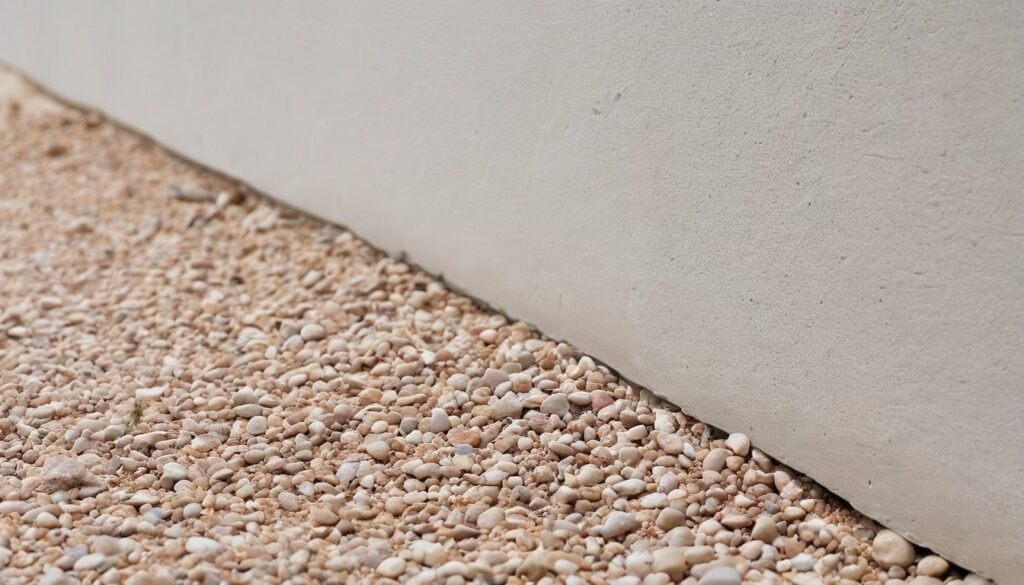
A crack is a symptom, not the problem
Most people who call about foundation repair in Glendale, AZ say the same thing: there is a crack, and it is getting longer. We understand the worry. A foundation is the part of a home that everything else depends on.
But a crack only tells part of the story. It might be a harmless shrinkage line from the day the slab was poured. It might also be the first sign of settling, water damage or a plumbing leak. Good foundation repair starts by figuring out which one it is.
Signs worth a closer look
Wide or growing cracks
Cracks wider than a quarter inch, or ones that have grown over a few months.
Doors and windows that stick
A door that used to close fine and now rubs the frame can mean the house moved.
Uneven floors
A marble that rolls across a room, or tile that has cracked in a line.
Gaps at walls
Space between a wall and the floor, or between the slab and a patio.
Stucco cracks in a stair step
Diagonal cracks near corners, doors and windows.
Pooling water
Rain or sprinkler water that sits against the foundation.
How we approach foundation repair
Look and measure
We walk the outside and inside of the home, take photos and measure cracks and floor levels.
Find the cause
Drainage, plumbing leaks, roots, old fill and soil movement are the usual suspects. We check each.
Bring in an engineer when needed
For structural movement, we recommend a licensed engineer to diagnose and design the repair.
Fix the cause
We correct drainage, seal cracks, stabilize or lift slabs as the plan says.
Monitor
We mark cracks and check again after a season to be sure things are stable.
We are a concrete company, not a structural engineering firm. For anything that looks structural, we point you to a licensed engineer first.
Foundation repair questions from west Valley homeowners
How do I know if a crack needs foundation repair or is just normal?
Almost every concrete slab has some cracks, so a crack alone does not mean you need foundation repair. What matters is the width, the direction, whether it is growing and whether the two sides sit at the same height.
Thin hairline cracks, less than about one sixteenth of an inch, are usually shrinkage cracks. They form as concrete dries and are common in the first years. They are normally cosmetic. Cracks wider than a quarter inch deserve attention, especially if they run diagonally, if one side is higher than the other or if they have grown over time.
Cracks in a stair step pattern in block walls or stucco, doors that suddenly rub, windows that are hard to open and floors that slope are all clues that something is moving. A crack with a step across it, where one side is higher, is more serious than one where both sides are flush.
A simple test is to mark the ends of the crack with a pencil and the date, then check again every few weeks. If it grows, call for help. We can look at photos or visit and give you an honest answer. For anything that looks structural, we recommend a licensed engineer, because they can tell what is happening and what repair they would design.
What causes foundation problems in Glendale and the west Valley?
Water is the main cause, both too much of it and too little. In the desert, that sounds strange, but it is true. Some soils in the Valley swell when wet and shrink when dry. If water collects against one side of a house, from poor drainage, a leaking sprinkler or a broken pipe, that soil expands and pushes the slab up. If soil dries out and shrinks, the slab can settle.
Other causes include plumbing leaks under a slab, which can wash soil away, poorly compacted fill under a patio or addition, large tree roots that pull moisture out of the soil and monsoon storms that dump a lot of water in a short time. Houses built on filled ground or at the edge of an old wash may also settle over the years.
Another local factor is caliche. If a house sits partly on hard caliche and partly on softer soil, the two can move differently.
We look for these causes before we recommend any repair. Fixing the drainage or a leak is often the most important step, and it is often cheaper than lifting or underpinning a slab. If the cause is not fixed, the problem will come back, no matter how good the repair is.
Do you do foundation repair on the house itself, or only on patios and slabs outside?
Our foundation repair work centers on concrete we can see and reach: patios, porches, garage floors, walks, driveway aprons, pool decks and the exterior slabs that connect to a house. We repair cracks, level sunken slabs, fix drainage and address problems at the edge of a foundation.
For the structural foundation of the house itself, we take a careful approach. If there is serious movement, such as wide diagonal cracks, a sagging floor or a wall that is leaning, you need a licensed structural engineer to look at it first. They can say what is wrong and write a repair plan. Depending on what they design, we can help with parts of the work, such as digging, pouring concrete, building new footings or repairing slab edges, under their direction.
We are honest about our limits. Unqualified repairs on a structural foundation can make things worse, and they can cause trouble when you sell. We would rather tell you what we recommend and who to call than take a job that is not right for us.
If you are not sure which category your problem falls in, send photos. We will tell you what we see.
Will foundation repair stop cracks from coming back?
It can, if the cause is fixed. That is why we start there. A repair that only fills a crack, without addressing why it opened, is a temporary patch. Soil that keeps swelling or draining will keep pushing the slab, and the crack will return.
When the cause is found and corrected, repairs last. If water pooled next to the house, we regrade and add drainage. If a pipe leaked, a plumber fixes it, and then the slab is repaired. If a slab sank because of poor fill, we may raise it or replace it with a properly prepared base.
Even so, concrete is a material that cracks a little. A hairline crack in a repaired slab does not mean the repair failed. We try to explain what is normal and what is not.
After a repair, we recommend a few habits. Keep water away from the foundation. Do not overwater plants near the house. Fix leaks fast. Clean gutters, and make sure downspouts drain away. Mark cracks and watch them for a season.
No honest contractor can promise that a slab will never crack. We promise to fix the cause, do careful work and tell you what to watch.
Can you lift a sunken slab instead of replacing it, and is that foundation repair?
Often, yes. Lifting a sunken slab, sometimes called slab leveling, is one form of foundation repair for the concrete outside the main house structure. It is usually done by pumping a material under the slab to raise it back to level, or by replacing the soil that washed out. We describe the options on our concrete leveling page.
Leveling works well when the slab itself is in good shape and the cause of the sinking has been fixed, for example, a washed out base next to a downspout or a leaky pipe. It is not a solution if the slab is broken into many pieces, or if the soil keeps moving.
Benefits include lower cost than replacement, less mess and a faster job, often in a few hours. Drawbacks include a limited ability to fix large, uneven movement and the fact that it does not change the soil underneath.
For a slab inside a house, such as a garage floor or a living area, leveling is a different and more sensitive job. We assess it with an engineer when needed.
We will tell you whether lifting or replacing is smarter for your slab, and what the cost difference is.
How much does foundation repair cost and how long does it take?
It depends on the cause, the size and the repair method, so the honest answer is that we need to look. Foundation repair can range from a small crack seal and a drainage fix to a large leveling or replacement project. Price drivers include the area affected, access, the method used, whether an engineer is involved and whether a plumber or landscaper must also work.
Time depends on the job. Drainage changes and crack sealing can be done in a day. Leveling a slab can take a few hours. Replacing a section means demolition, base preparation, forming, pouring and curing, which may take a few days spread over a week or two. Repairs that need an engineer or a permit take longer, because planning and inspections come first.
Beyond the cost of the repair, consider the cost of waiting. Water that keeps entering a foundation causes more damage over time, and small problems grow. Early foundation repair is almost always cheaper.
We offer free estimates and will explain the options in plain terms. If we recommend an engineer, we will say so before you spend anything. Send photos, and we will tell you what we think.