
Outdoor Kitchen and Fire Pit Pads in Glendale AZ
Outdoor kitchen and fire pit pads poured level, reinforced for heavy loads and planned around gas, power and seating.
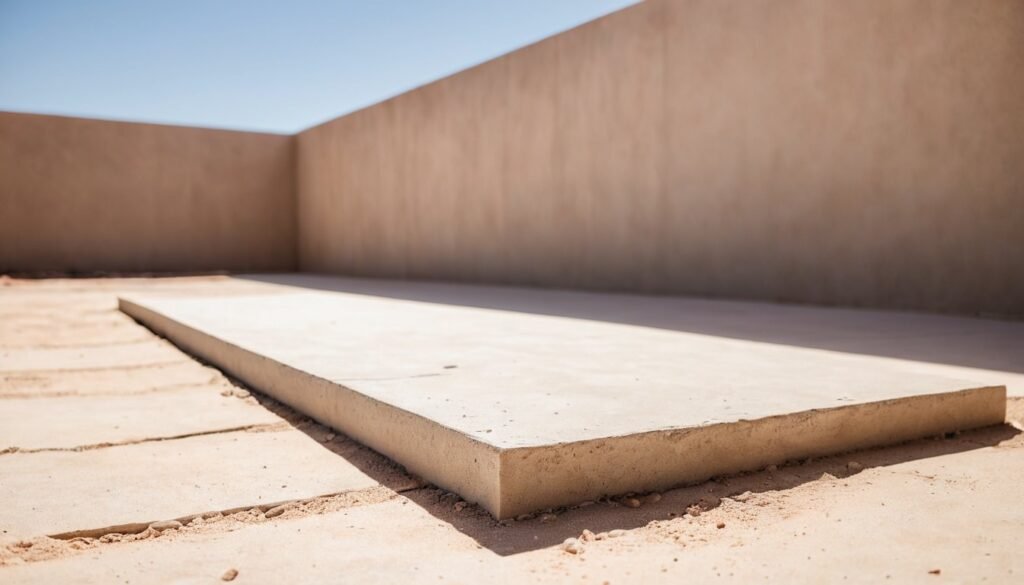
Outdoor kitchen and fire pit pads start under the fun part
In Glendale, AZ evenings on the patio are what many people live for. A grill island, a bar, a fire pit with seats around it. Those things are heavy, hot and sometimes fed by gas lines. The pad under them has to be flat, strong and planned before anyone sets a single stone.
Outdoor kitchen and fire pit pads are our specialty for that reason. We pour the slab, build in sleeves and stub outs for gas, water and power, and leave you a clean, level base your builder, mason or installer can trust.
What outdoor kitchen and fire pit pads support
Grill islands
Block or framed islands with stone, tile or stucco and a heavy counter.
Built in appliances
Grills, side burners, refrigerators, sinks and pizza ovens.
Fire pits
Round or square pits, wood or gas, with seat walls around.
Bars and counters
Raised counters with stools for company.
Ramada footings
Posts for shade structures right over the kitchen.
Seating pads
Level areas for sofas, chairs and tables.
Planning outdoor kitchen and fire pit pads before the pour
Sketch the layout
Where the island, grill, sink and fire pit sit, and where people walk.
Plan the utilities
Gas, water, drain and electric all need sleeves or stub outs. Licensed trades hook them up.
Size the slab
Thickness and steel are set for the weight, with extra support under heavy islands.
Set slope and edges
A slight slope for drainage, and edges that line up with the patio.
Pour and finish
Broom, stamp, color or smooth, chosen to match the patio.
Cure and hand off
We cure the slab and then your builder installs the island or pit.
Gas and electric hookups belong to licensed trades. We set sleeves and stub outs in the concrete. They make the connections and test them.
Outdoor kitchen and fire pit pads questions from Glendale homeowners
How thick and strong should outdoor kitchen and fire pit pads be?
Outdoor kitchen and fire pit pads need to be thicker and stronger than a normal walkway, because they carry concentrated weight. A grill island with a stone or tile counter, a refrigerator, a sink and stucco walls can weigh thousands of pounds sitting on a small footprint. A fire pit with block walls and a stone cap is heavy too.
For most residential projects, we pour pads at least four inches thick, often five or six where islands will sit, with steel reinforcement, either rebar or welded wire, set in the middle of the slab. Under the heaviest parts, we may thicken the slab edge or add a small footing. The base under the slab is just as important. We compact the soil and add a layer of gravel so the pad does not settle under the load.
We also think about joints. Control joints are placed so cracks happen away from the island or pit, and expansion joints isolate the pad from the house or other slabs.
If you plan a very large island or a heavy stone feature, tell us in advance. We can add steel and thickness. It costs a little more now and saves trouble later.
How do you plan gas, water and electric for outdoor kitchen and fire pit pads?
We plan them before the pour, because it is much easier to place a sleeve in wet concrete than to cut into cured concrete later. A sleeve is a plastic or metal pipe set in the slab that lets utility lines pass through. Stub outs are short ends of pipe or conduit that rise through the pad where an appliance will go.
Here is how it works. You, your builder or the appliance installer tell us where the grill, sink, refrigerator and fire pit will be. We mark the locations and place sleeves or conduit in those spots. A plumber, gas fitter or electrician then runs the lines through the sleeves or provides the stubs, and they handle the connections, pressure tests and inspections, since those are licensed trades.
A few tips help. Leave extra length so lines can be adjusted. Mark and photograph the position of every sleeve before the pour. And protect open ends from dirt and water.
If you are not sure where things will go, tell us. We will recommend a designer or kitchen builder who can help. Good outdoor kitchen and fire pit pads make installation smooth.
Are there safety rules for fire pit pads, like distance from the house?
Yes, and it is important to follow them. Fire pits throw heat and sparks, so they need space. Common guidelines are to keep a fire pit well away from the house, fences, overhangs, trees and any flammable material. Many manufacturers specify a minimum distance, and local codes or HOA rules may add more. Distances vary, so please check the City of Glendale and your HOA before building.
For the pad itself, concrete is a good choice because it does not burn. We build a level, noncombustible base and can add a ring of masonry or a metal pit insert. A fire pit should sit on a stable pad and never on grass, wood decking or a surface that could be damaged by heat. Intense heat can spall, or chip, ordinary concrete, so a lined pit, firebrick or a gas fire feature with a burner pan is recommended.
In Maricopa County, wood burning can be restricted on certain days for air quality reasons, and fire restrictions may apply in dry conditions. Many families choose gas fire pits for that reason.
We pour outdoor kitchen and fire pit pads with safe placement in mind, and we are happy to talk through clearances.
Can outdoor kitchen and fire pit pads be part of an existing patio?
Often yes. If your patio slab is thick enough, in good condition and not cracked or sunken, you may be able to build a kitchen island or fire pit right on it. But many existing patios are only four inches thick with no steel, and they are not designed for the concentrated weight of an island. Building on a slab that is too thin can lead to cracking or settling under the load.
We look at the existing slab and give you options. One is to cut out a section and pour a thicker reinforced pad where the island or pit will go, tied into the old slab. Another is to pour a new addition next to the patio, which can be matched in color and texture. A third, if the patio is in poor shape, is to replace the whole thing and plan the kitchen and fire pit as part of the new design.
We often combine the work, since it keeps the lines and levels consistent. Read about our concrete patio installation for how that looks.
Send us a photo of the patio and a sketch. We will tell you what we recommend and what it costs.
How do outdoor kitchen and fire pit pads handle summer heat and monsoon storms?
With careful planning for both. In summer, concrete surfaces get hot, and a kitchen area with a grill, a fire pit and bare feet needs comfort and safety. We choose lighter colors and a textured finish to keep the surface cooler. Shade makes a major difference. A ramada, pergola or shade sail over the kitchen area lowers temperatures a lot, and we can set footings for it in the same pour.
For monsoon rain, drainage is the key. We slope the pad gently, about a quarter inch per foot, so water runs off and does not pool at the base of the island or inside a fire pit. For a fire pit, we also plan a way for rain to drain from the bowl, such as small weep holes or a gravel base, so it does not become a pond.
Islands and counters should be raised slightly or sealed at the bottom to keep water from wicking into the stucco or stone. We can build a small curb or a flashing detail as needed.
Outdoor kitchen and fire pit pads that handle both heat and rain stay useful and good looking year after year.
What do outdoor kitchen and fire pit pads cost, and what changes the price?
The cost depends on size, thickness, steel, finish and how many extras are involved. A simple round fire pit pad is much less than a large patio with a built in kitchen. The main price drivers are the area and thickness of the slab, the amount of steel and any footings for heavy islands or ramada posts. Site conditions matter too, including caliche, access for equipment and demolition of an old slab.
Other factors are the number of utility sleeves and stub outs, the finish, such as broom, color or stamped patterns, drainage features like trench drains and steps or seat walls that connect to the pad.
We write estimates with each piece separated. If you are working with a kitchen designer, we can follow their drawings and give a quote for the concrete portion. If you are still exploring ideas, we can suggest a phased plan: pour the main pad now and add the fire pit or bar later, with stub outs left for the future.
Outdoor kitchen and fire pit pads are the foundation of a space your family will use for years. We help you spend where it counts and save where it will not matter.